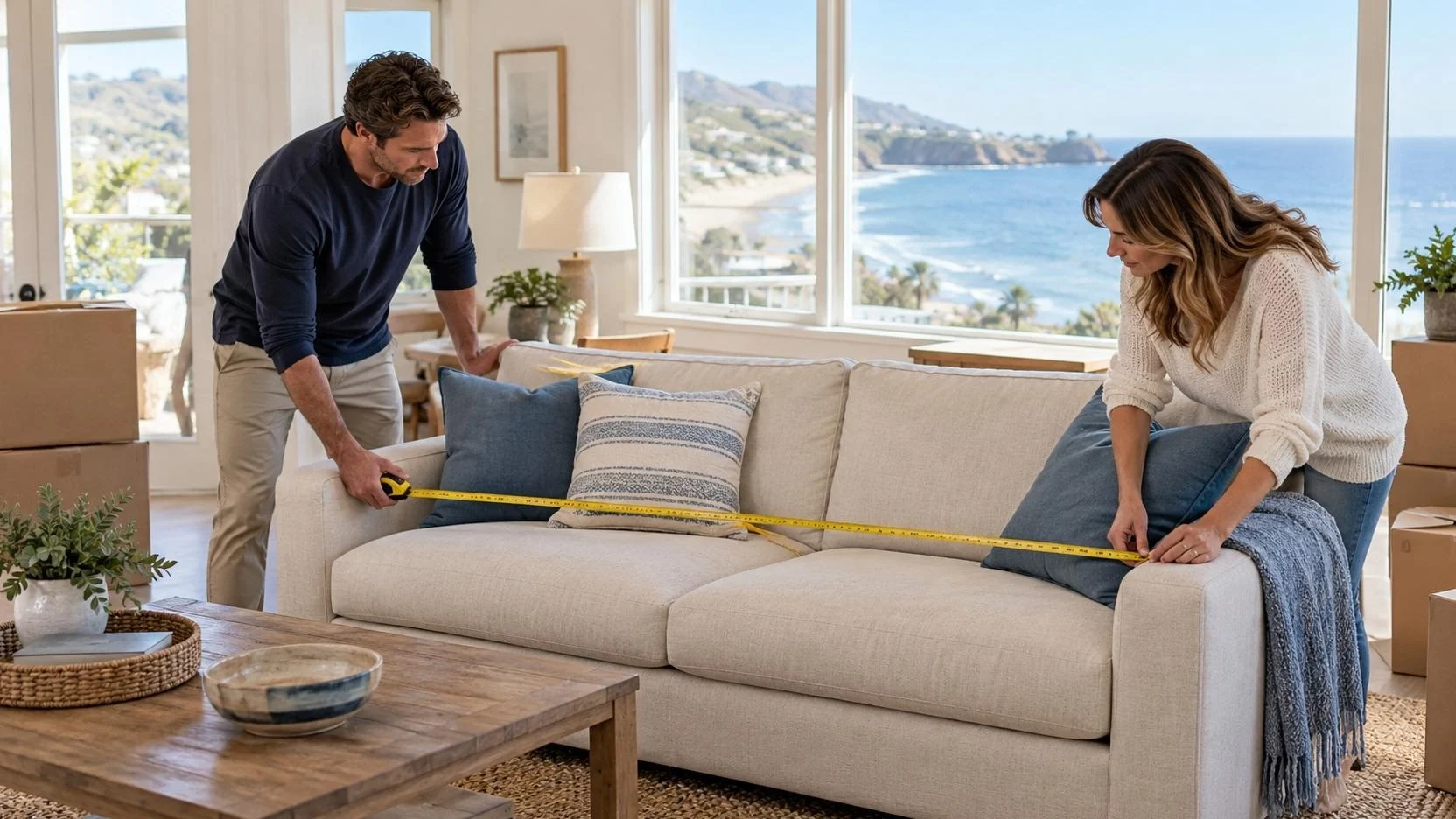
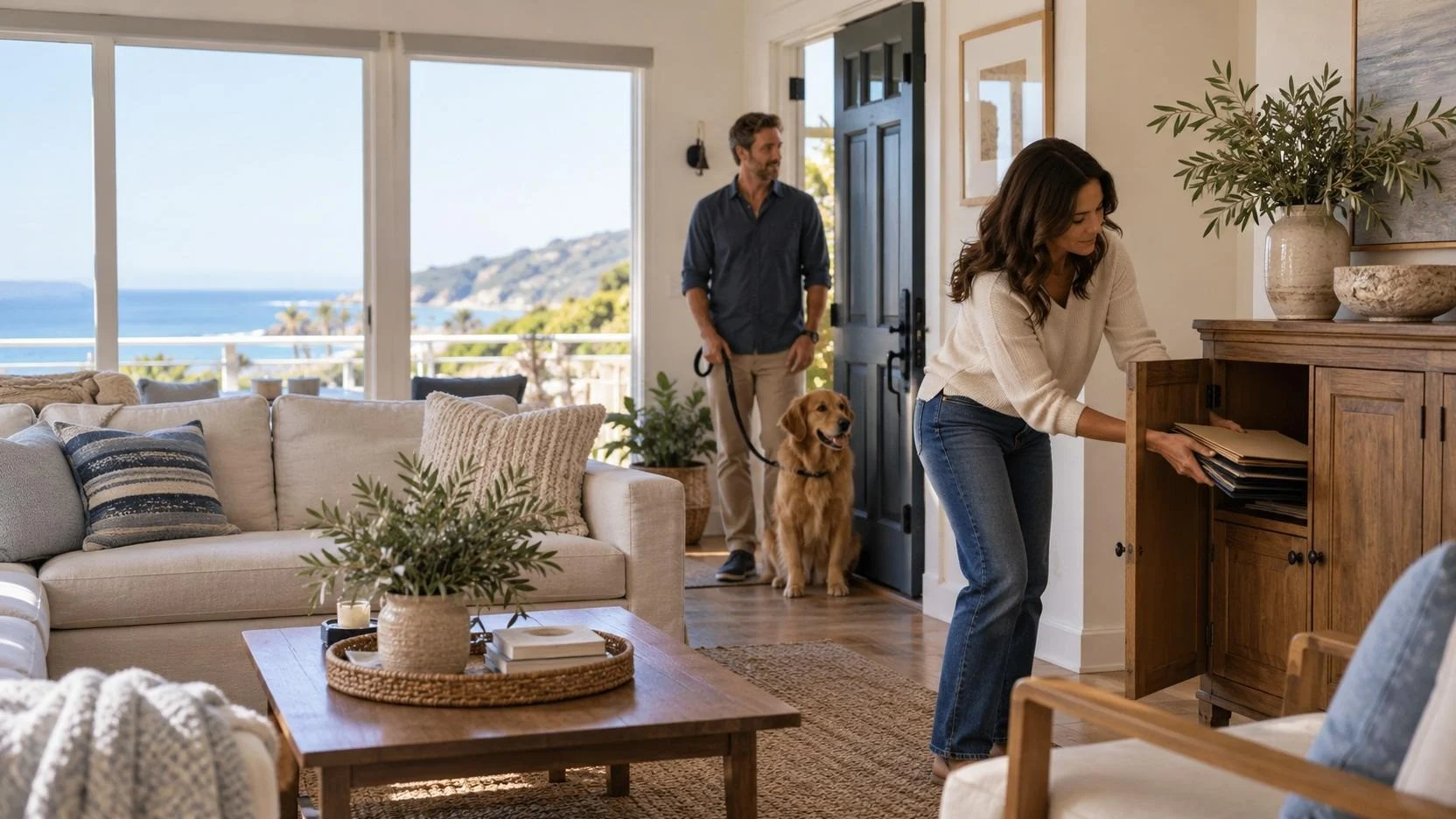
Living in a home while it is listed means balancing two legitimate needs. Buyers need opportunities to see the property, and your household still needs a workable place to live. A plan that requires constant disruption can be difficult to sustain, while unclear access arrangements can make showing coordination harder than it needs to be.
For a Laguna Beach seller in North Laguna, the Village area, or South Laguna, the most useful showing strategy starts with ordinary routines. Work calls, pets, personal documents, parking, and the time needed to leave the house all deserve attention. A thoughtful system can support the sale while reducing the number of last-minute decisions your household has to make.
Build a Laguna Beach showing schedule you can maintain
Tell your agent when the home can realistically be available and which periods create genuine difficulty. Identify recurring commitments rather than trying to solve every request individually. If you work from home, for example, distinguish a meeting that cannot move from a flexible block of desk work.
Discuss the notice you would like and how requests will be confirmed. Your preferred schedule should be clear to everyone handling appointments. At the same time, ask your agent how those choices may affect buyer access so you can make an informed tradeoff instead of discovering the effect after several requests have been declined.
Choose one communication channel for showing confirmations. A household can easily miss a change when one person receives a text, another sees an app notification, and a third is working from an old calendar. Decide who will acknowledge requests and how everyone else will learn the final arrangement.
Define exceptions before they happen
Some requests will arrive outside your preferred pattern. Agree on how those requests should be considered and who can approve them. A clear exception process is easier than treating every unusual request as either an automatic yes or a conflict.
Suppose a household usually offers afternoon appointments but receives a morning request from an out-of-area buyer. The relevant questions are whether the home can be ready, who can manage the pet, and whether the appointment is confirmed. A planned decision process keeps the response practical rather than emotional.
Prepare for photography before the first appointment
Marketing images can reveal more than room size and finishes. Review visible mail, calendars, computer screens, family photographs, certificates, and other items that disclose personal information. The National Association of REALTORS recommends removing sensitive details and securing valuables as part of preparing a home for marketing and visits.
Walk through the house with your agent before photography. Explain any privacy concerns and ask how the imagery will be used. This is a chance to identify visible information that should be put away before it appears in a photograph or video distributed through listing channels.
Keep the discussion realistic about control. Once marketing images are distributed, removing every copy may be difficult. Preparation before publication is therefore valuable. Ask your agent about the available choices and applicable listing rules rather than assuming that every platform can be managed in the same way.
Privacy preparation should not conceal material property conditions or make the home misleading. Removing a personal document is different from hiding a defect. Discuss condition questions and disclosure obligations separately so the marketing remains accurate while your household information is protected.
Create a short reset routine for daily life
A showing routine works best when it is repeatable. Identify the small tasks that make the home ready: clearing everyday items from main surfaces, putting away work materials, checking the kitchen and bathrooms, and confirming the agreed presentation. Assign tasks so the entire process does not fall to whoever happens to receive the appointment message.
Use a portable container for ordinary items that need to leave a room quickly, but keep sensitive documents and valuables in genuinely secure storage. A basket beside the door is convenient for chargers or a book; it is not a security plan for identification, financial records, or prescription medication.
Avoid creating a presentation standard that requires hours of preparation for every visit. Ask your agent which tasks have the greatest practical value for showing the home clearly. A consistent, manageable routine is more useful than an elaborate setup that your household cannot sustain through the marketing period.
Clara’s seller’s guide outlines the broader preparation and marketing process. Use the showing plan to translate that process into specific daily responsibilities, with realistic timing and a clear point person for changes.
Make arrangements for pets and household needs
Plan where pets will be during appointments and who will manage them. Consider the animal’s temperament, travel needs, and the time required to leave safely. Do not rely on a prospective buyer or visiting agent to follow an improvised pet-care instruction that has not been coordinated.
If an animal must remain at the property, discuss the arrangement with your agent in advance. Identify the location, access limitations, and any relevant instructions through the authorized showing process. The goal is to protect both the household and visitors while keeping the appointment clear and manageable.
Account for people who need additional time or support to leave the home. A plan may need to accommodate mobility needs, rest periods, remote work, or caregiving. Explain those practical requirements without disclosing unnecessary personal or medical information to every person involved in scheduling.
Choose a few reliable places to spend the showing period. The best option may simply be a familiar nearby destination or another comfortable location that fits the household. Leave enough flexibility for an appointment to run slightly differently from the initial estimate, and confirm how you will know when it is appropriate to return.
Keep access instructions controlled and consistent
Agree with your agent on how authorized visitors will enter and how appointments are recorded. Different people may need access during the sale, including buyers, inspectors, appraisers, photographers, and service providers. Their purposes and permissions should be clear rather than covered by one casually shared code.
Ask how keys, lockboxes, or other access systems will be managed. Understand who can authorize entry and what happens if a credential is lost, shared unexpectedly, or no longer needed. Keep sensitive access details out of public marketing descriptions and broad household messages.
If someone arrives without a confirmed appointment, direct them to the agent’s established process. You do not need to improvise a private tour because a visitor says they are interested. Let the person responsible for the listing verify the request and coordinate an appropriate time.
Discuss cameras and recording before relying on them
Existing doorbell cameras or interior monitoring equipment can raise privacy and legal questions during showings. Tell your agent what is installed and obtain appropriate advice about notice, consent, recording, and use. Requirements can depend on the circumstances, so avoid assuming that a device’s ordinary household use answers every question during a sale.
Monitoring is not a substitute for a controlled access plan. Decide who will respond to an access problem and how it will be documented. Keep any review focused on legitimate property concerns rather than using recordings to draw unsupported conclusions about a buyer’s personal circumstances.
Give visitors room to evaluate the property
Discuss with your agent whether you should be away during showings. Buyers may need time to discuss layout and questions with their own representative. A seller who remains nearby to explain every feature can unintentionally make that evaluation less comfortable, even when the intention is helpful.
Prepare useful property information through the listing team instead. Operating instructions for an unusual feature, relevant maintenance records, and answers to recurring factual questions can be organized for appropriate use. This allows accurate information to reach buyers without turning every appointment into a personal presentation by the owner.
If a visitor asks a question directly, avoid guessing about technical matters or making an informal promise. Refer it through the transaction process so the answer can be verified and shared consistently. A friendly conversation should not create a different understanding from the written property information.
Keep household logistics separate from negotiations. An inconvenience caused by one appointment does not establish the strength or seriousness of a later offer. Evaluate offers using their actual terms and relevant information rather than impressions about a visitor’s comments, appearance, or schedule.
Review feedback for patterns you can use
Ask your agent how feedback will be collected and summarized. Not every visitor will respond, and individual comments can be subjective. A useful review distinguishes repeated observations from a single preference that may not represent the broader audience.
Look for actionable issues. If several visitors could not access a room, struggled to understand a feature, or arrived without clear parking instructions, the showing process may need adjustment. A comment about personal decorating taste may require a different response from a factual question about the home.
Set a regular time to discuss feedback instead of reacting to every message immediately. This can reduce unnecessary changes and give your agent an opportunity to interpret the comments alongside showing activity and other relevant information. The objective is to improve the process, not to satisfy every individual preference.
If a proposed change affects privacy, access, or the household schedule, consider its practical cost before agreeing. A better plan should be sustainable for the people living in the property as well as useful for the sale. Revisit the arrangement when work schedules or family needs change.
Revisit a plan that becomes difficult to maintain
If the first week of showings repeatedly interrupts a household commitment, discuss a specific adjustment with your agent. Moving one recurring availability window may be more workable than declining requests individually. Explain the actual constraint and review the effect after trying the change, so the schedule remains practical throughout the listing period.
Close each appointment with a simple check
Confirm that the showing has ended before returning to the normal routine. Check agreed access points, look for an obvious issue, and report concerns through the agent. This is an ordinary property check, not a reason to assume that every visit created a problem.
Update the calendar if a follow-up visit or professional appointment is requested. Inspections and other transaction visits may need different preparation and longer access than a standard showing. Ask what will occur so you can plan realistically rather than using the same routine for every type of entry.
Selling while living in your Laguna Beach home is easier when the process is predictable. A workable schedule, protected personal information, clear access arrangements, and proportionate feedback review can help your household remain organized while buyers evaluate the property. The plan should support both the sale and the life still happening inside the home.
Frequently asked questions
Do I have to accept every requested showing time?
Discuss availability and the implications of restrictions with your agent. Establish a workable schedule and a process for considering exceptions.
Can I leave personal documents visible during photography?
It is better to secure sensitive information before photography and visits. Review the rooms for details that could reveal private household information.
Should I give a tour to an unannounced visitor?
Use your agent’s verified appointment process instead of arranging an informal showing at the door.
Contact Clara Blunk
Preparing to sell while living in your Laguna Beach home? Contact Clara Blunk at (949) 998-4866 to develop a practical marketing and showing plan. Clara Blunk, Anvil Real Estate, CA DRE# 01189372. Privacy and recording questions should be reviewed under applicable law with qualified advice when needed.